Complete Renovations That Support Investment Returns
Investment Property Rehabs in Orange Park for homes requiring major updates before resale or lease
Properties purchased below market value often need more than cosmetic updates—they require coordinated rehabilitation that addresses deferred maintenance, outdated systems, and code compliance issues that affect resale potential or rental income. The scope typically includes structural repairs, mechanical upgrades, and interior improvements delivered through a single project timeline. Anew Property Investments manages the full rehabilitation process, coordinating subcontractors and inspections so investors don't navigate permitting, scheduling, and quality control across multiple vendors while properties sit vacant.
Rehabilitation plans are built around your investment goals, whether you're preparing a property for retail sale, long-term rental, or short-term lease. Structural framing, roofing, and foundation issues are resolved first, followed by HVAC, plumbing, and electrical work that brings systems up to code. Interior finishes—flooring, paint, cabinetry, fixtures—are selected based on your exit strategy and target tenant or buyer profile.
Arrange an initial property assessment to identify required repairs and develop a rehabilitation budget based on your expected return.
How Rehab Projects Address Investment Goals
Rehabilitation begins with a detailed inspection that separates necessary repairs from optional upgrades, so your budget prioritizes work that protects property value or enables financing and occupancy. Code compliance is addressed through proper permitting in Orange Park, ensuring that electrical panels, plumbing fixtures, and HVAC installations meet current standards and pass final inspection. Each trade is scheduled in logical sequence—rough-in work before drywall, finish work after inspections—to avoid costly rework or delays.
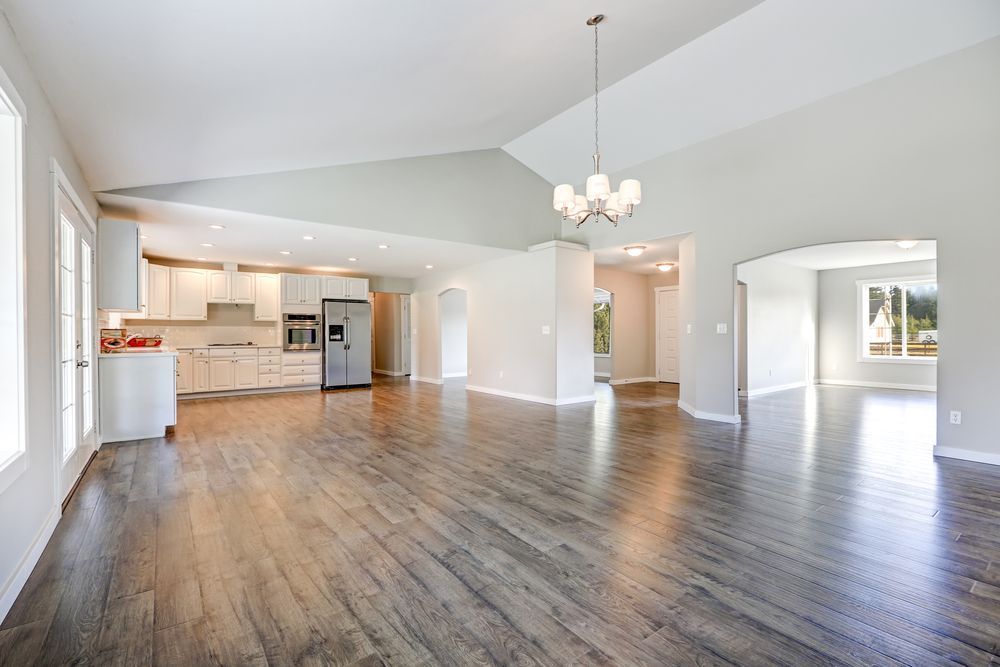
After rehabilitation is complete, you'll have a property that appraises appropriately, attracts qualified tenants or buyers, and doesn't generate repair requests during lease signings or purchase agreements. Kitchens and bathrooms function correctly with updated fixtures and finishes, flooring and paint present well during showings or move-ins, and mechanical systems operate reliably without immediate replacement concerns. The property moves from distressed condition to market-ready status, supporting your investment timeline and financial projections.
Experienced investors often request detailed scopes of work and itemized budgets before closing on a property, allowing them to confirm renovation costs align with acquisition price and expected ARV. Rehabilitation timelines vary based on permit approval, inspection scheduling, and the extent of structural or mechanical work required, but project management keeps work moving efficiently once permits are issued.
Investors often ask these questions when planning
major rehabilitation projects for recently acquired properties.
What types of properties benefit most from full rehabilitation services?
Homes with deferred maintenance, outdated interiors, structural concerns, or code violations that prevent financing or occupancy require coordinated rehabilitation rather than cosmetic updates alone.
How do you determine which repairs are necessary versus optional?
Necessary repairs address safety, code compliance, or issues that affect resale value and financing eligibility, while optional upgrades are evaluated based on your investment goals and budget constraints.
What happens during the inspection and planning phase?
The property is assessed for structural integrity, system functionality, and code compliance, followed by a detailed scope of work that outlines required repairs, recommended upgrades, material selections, and projected costs.
How are subcontractors and inspections coordinated during rehab projects in Orange Park?
Subcontractors are scheduled in sequence to avoid delays, and inspections are requested at appropriate milestones to keep the project moving through framing, rough-in, and final approval without unnecessary downtime.
Why do rehab projects take longer than cosmetic renovations?
Rehabilitation involves permit approval, multiple inspection phases, and coordination of structural, mechanical, and finish trades, all of which require more time than surface-level updates but are necessary to bring distressed properties to market-ready condition
Common Questions About Rehab Projects
Anew Property Investments provides rehabilitation solutions for first-time and experienced investors who need reliable project execution and transparent communication throughout the
renovation process. Contact the office to discuss your property and receive a detailed rehabilitation proposal based on current condition and investment objectives.